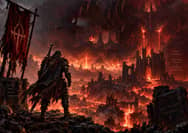
Diablo 4’s new expansion, Lord of Hatred, is set to launch on April 28, bringing a new region, fresh systems, and additional layers of progression. At first glance, it appears to be a major step forward—but is it truly a meaningful upgrade, or simply more content wrapped in familiar mechanics? While Blizzard continues to expand the game with new activities and features, many players are beginning to question whether these additions genuinely improve the core experience. In this article, we take a closer look at what the expansion delivers—and, more importantly, what it still fails to fix.
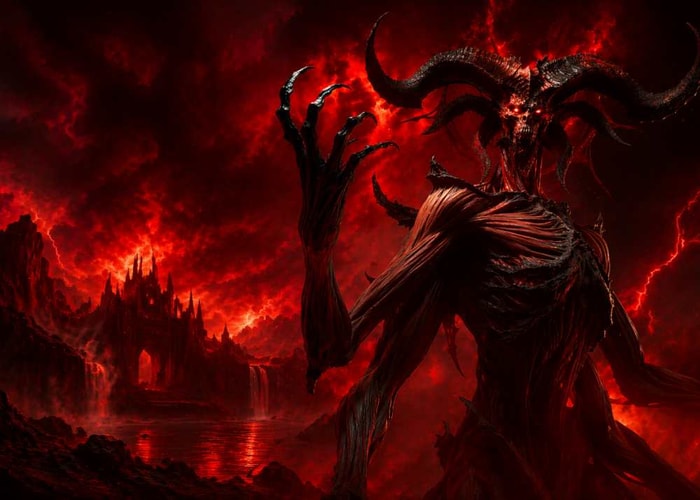
New Region: Small but Dense Design
The Lord of Hatred expansion introduces a new region located in the bottom-left of Sanctuary. It features five islands, eight waypoints, around a dozen Nightmare Dungeons, and three strongholds—maintaining the traditional regional structure. While the map is relatively small, its emphasis on density over scale could lead to faster farming routes and more efficient gameplay loops.
Themis Hub & Expansion Access
At the center of the new region is the city of Themis, which acts as the main hub for expansion content. The Horadric Cube is located here, meaning access to this system is restricted to players who own the expansion. This design ensures that key gameplay features remain tied directly to the new content.
War Plan System: Activity-Based Progression
One of the most important additions is the War Plan system. This feature allows players to level up core activities such as the Pit, Infernal Hordes, and Kurast by actively participating in them. As these activities level up, they provide enhanced rewards, effectively transforming existing content into scalable progression systems and adding long-term replay value.
Fishing System: A Secondary Feature
Fishing is another new feature introduced in the expansion. Through fishing, players can obtain loot and crafting materials, with a chance to craft D4 Legendary or Unique items. However, this system appears to be more relevant during the midgame, and its long-term importance is uncertain. In a fast-paced action RPG like Diablo 4, such mechanics may feel out of place and could quickly lose player interest.
Difficulty Expansion: More Tiers, Same Pace
The new expansion is expected to introduce between seven and twelve difficulty levels. While this may seem like a major change, the overall progression pace remains similar. Players will likely spend roughly the same amount of time reaching the highest difficulty as before, making this adjustment more of a numerical expansion rather than a true increase in challenge.
Warlock Class Expectations
The Warlock continues to be a focal point of the expansion. As with most newly introduced classes, it is expected to be particularly strong at launch. This approach is commonly used to drive player engagement and excitement, though it may temporarily affect overall class balance.
UI and Quality-of-Life Issues
Despite the new content, several long-standing quality-of-life issues remain unresolved. The user interface is still cluttered, especially with buff icons overwhelming the display, and inventory management continues to feel inefficient. These issues can negatively impact gameplay clarity and overall user experience.
Stability and Bug Concerns
It remains unclear whether existing bugs will be fully addressed in this expansion. Based on past updates, it is likely that new bugs will be introduced alongside new content. While Blizzard consistently delivers strong visual design, technical stability continues to be an area of concern.
Map Design and Gameplay Flow
The new region includes vertical terrain elements that require players to frequently climb and descend. While these features add visual variety, they can disrupt gameplay flow and become frustrating over extended play sessions.
Missing Core Improvements
One of the most noticeable omissions is the lack of a proper loot filter. Many players consider this feature essential, as it would significantly improve efficiency, reduce clutter, and enhance overall gameplay experience. Compared to this, some newly introduced systems feel less impactful.
Overall Assessment
Overall, the new expansion focuses on adding new content and refining progression systems rather than fundamentally changing the core gameplay. While it introduces new areas, mechanics, and activities, it does not fully address deeper systemic issues that affect long-term player satisfaction.