The ghost pet exploit shocked Hardcore players, but the real question many TBC Anniversary players are now asking is simple: Is Phase 3 really safe? And the answer isn’t as straightforward as it seems.
The World of Warcraft community has been buzzing recently — and not because of raid progress or class tuning. Instead, a chilling Hardcore incident has reignited one of the oldest fears in WoW’s history: unchecked exploits spreading across Classic realms.
What happened in the Hardcore Era may feel distant to TBC Anniversary players, but the implications are anything but. If Blizzard doesn’t act decisively before Phase 3, the same vulnerabilities could spill into Outland — affecting TBC Anniversary gold markets, raid stability, and even guild survival.
This article breaks down what happened, why players are alarmed, and what it means for the upcoming TBC Phase 3.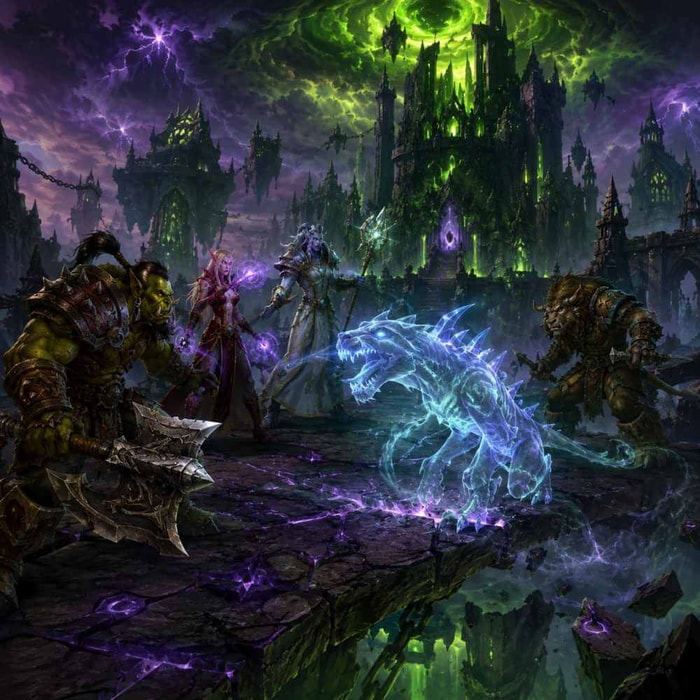
The Hardcore Ghost Pet Incident: A Real Exploit, Not a Rumor
In Hardcore Era (HC), where death is permanent, players reported being killed by a hunter pet with no hunter attached — a “ghost pet” that materialized out of thin air and attacked without warning.
One player described it as:
“A pet appeared from nowhere, hit me twice, and vanished. No hunter, no nameplate, nothing.”
This wasn’t an isolated case. Around Gurubashi Arena, players also witnessed:
Characters moving through walls
Instant teleports across terrain
Speed hacks are used to chase Hardcore players
These aren’t typical bot behaviors. They’re signs of client-side manipulation, exploiting old engine vulnerabilities that Blizzard has historically struggled to patch.
And Hardcore players are terrified — because one exploit can erase hundreds of hours of progress instantly.
Why TBC Anniversary Players Are Paying Attention
Across Reddit and Discord, players repeatedly ask the same question: “If this can happen in Hardcore, what stops similar exploits from affecting TBC?” That’s why the safety of Phase 3 has become a real discussion point.
TBC Anniversary uses the same underlying Classic engine. That means:
The same terrain
The same collision system
The same pet AI
The same anti-cheat foundation
When exploits appear in one Classic environment, players know they can spread.
This is why TBC players have started asking:
“If ghost pets can kill Hardcore players, what stops similar exploits from affecting Black Temple or Hyjal?”
The answer right now: nothing guaranteed.
Community Concerns: What Players Fear Most
Beyond the initial shock, players have started outlining specific threats they believe could impact TBC Phase 3. These concerns fall into four major categories:
1. Gold Duplication and Economy Manipulation
Players fear that the same exploiters who manipulate Hardcore combat could also manipulate:
Gold duplication
Auction house manipulation
Bot-driven inflation
GDKP destabilization
TBC’s economy is already fragile. A single dupe wave could destroy Phase 3 markets overnight.
2. Map Exploits Affecting Raid Progression
Hyjal and Black Temple rely heavily on:
Scripted waves
Fixed boss positions
Tightly controlled encounter spaces
If map exploits allow:
Skipping waves
Pulling bosses through walls
Bypassing trash
Resetting encounters unnaturally
Then, raid integrity collapses.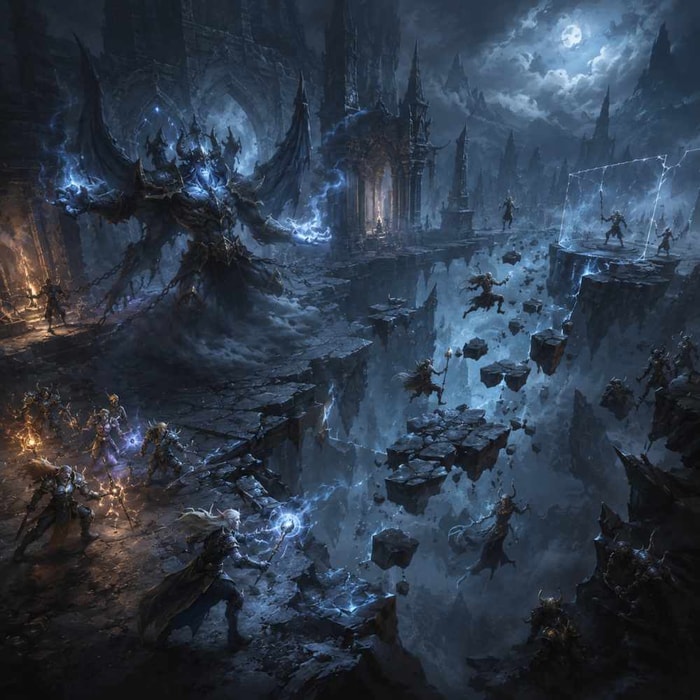
3. Guild Stability During Phase 3
Many guilds are already worried about Phase 3 difficulty. Add exploits into the mix, and you get:
Unfair DPS meters
Manipulated logs
Players using movement hacks
Raid wipes caused by external interference
Guild morale is fragile. Exploits could push mid-tier guilds into collapse.
4. Blizzard’s Slow Response Time
Players repeatedly express frustration that:
“Hardcore got hit by ghost pets for days before Blizzard even acknowledged it.”
If TBC Anniversary receives the same slow reaction, Phase 3 could launch into chaos.
Why This Matters More for TBC Than Hardcore
Hardcore deaths are personal tragedies. TBC exploits are systemic threats.
A ghost pet killing a Hardcore player is shocking. A ghost pet killing a TBC tank on Mother Shahraz is catastrophic.
A speed hacker chasing a Hardcore player is scary. A speed hacker farming Primal Air 24/7 is economy-breaking.
A wall-hack in Gurubashi is disruptive. A wall-hack in Hyjal is progression-ending.
TBC’s ecosystem is larger, more interconnected, and more vulnerable to economic and raid-based exploits.
My Analysis: The Real Risk Isn’t the Ghost Pet — It’s What It Represents
The ghost pet incident is not the problem. It’s the symptom.
It proves that:
Classic’s engine still has unpatched vulnerabilities
Client-side manipulation is possible
Anti-cheat is reactive, not proactive
Exploiters are testing boundaries
Blizzard’s response time is slow
If exploiters can spawn combat pets without owners, they can:
Spawn mobs
Manipulate threat tables
Alter movement
Bypass collision
Interfere with raid encounters
Disrupt economy systems
This is why TBC players should care.
The ghost pet is simply the canary in the coal mine.
What TBC Players Want Blizzard to Do Before Phase 3
Here are the most requested actions from the community:
Strengthen anti-cheat before Phase 3
Audit pet AI and summon logic
Patch collision exploits in raid zones
Increase GM presence in Anniversary realms
Monitor gold movement for dupe patterns
Publish a transparent anti-exploit roadmap
Players don’t need perfection. They need confidence.
Right now, confidence is low.
Why This Article Matters for TBC Players
This isn’t just drama from another game mode. It’s a warning.
Hardcore showed us what exploiters can do. TBC must prepare for what they will do if left unchecked.
If Blizzard acts now, Phase 3 will be remembered for:
Black Temple
Hyjal
Illidan
Legendary progression
If Blizzard waits, Phase 3 will be remembered for:
Inflation
Exploiters
Broken raids
Guild collapse
The choice is theirs — but the consequences will be ours.
Final Verdict: Is TBC Phase 3 Really Safe?
For now, the answer is: mostly yes — but only if Blizzard acts before launch. The ghost pet incident isn’t a threat by itself, but it’s a reminder of how fragile Classic’s engine can be.