Drifting is an art form in the world of racing games, and Forza Horizon 6 offers players a unique opportunity to master it. Whether you're a seasoned drifter or just getting started, crafting a solid drift build and tune can elevate your skills and make your car perform at its peak on the track. In this video, YouTuber Mjay guides you through a comprehensive, step-by-step process to create the ideal drift build and tune your car for maximum efficiency.
Tip from MmoGah: Building and tuning drift cars in Forza Horizon 6 can quickly add up, especially when experimenting with engine swaps, drivetrain conversions, and multiple upgrade setups. Having enough FH6 credits on hand can make it easier to test different builds and get your favorite cars track-ready without slowing down your progress.
Step 1: Choosing the Right Car
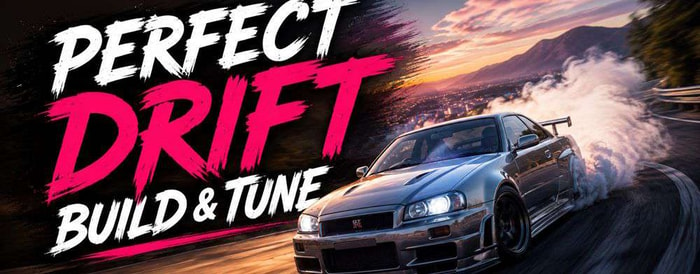
The first step in building a drift car is selecting the right vehicle. This tutorial will use the iconic Nissan R34 GTR. This legendary car is a favorite among enthusiasts and has great potential as a drift machine.
Step 2: Building Your Drift Car
Body Kits
Start by heading to the "Upgrades and Tuning" section and selecting "Custom Upgrade." Check out the available body kits for your car.
Engine Swap
While many players opt for the most powerful engine swap for their drift builds, it's not always necessary. Your choice should depend on what you want your car to achieve. If you're aiming for a chill, controllable drift build, you don't need to max out horsepower. For the R34 GTR, maintaining the stock engine while adding a big single turbo can provide extra power without excessive output.
Drivetrain Swap
Drifting is all about controlled slides, and rear-wheel drive (RWD) is essential for this. Convert your car's drivetrain to RWD if it isn't already. This is crucial for achieving smooth and consistent drifts.
Tires and Rims
Here's where things get interesting. While Forza Horizon 6 offers a dedicated drift tire compound, it's not always the best option for drifting. Surprisingly, the snow tire compound tends to be better because it provides less grip than drift tires, making it easier to slide. For older cars like the R34 GTR, stock tire compounds may offer even less grip than snow tires. In this case, maintaining the stock tire compound can optimize drift performance.
When adjusting tire widths, consider your car's horsepower. For a mid-level power build, a width of 285mm in the front and 295mm in the rear can provide slightly more traction during slides. Wheel style and size are primarily aesthetic choices.
Drivetrain Components
For the transmission, you can opt for the four-speed drift transmission if you're looking to maximize your drifting performance. However, it's not mandatory—especially if you're building a more casual drift car. A six-speed race transmission can offer versatility. Regardless of the choice, installing the drift differential (drift diff) is essential, as it is specifically designed for drifting.
Platform and Handling
To ensure your car handles well during drifts, focus on these upgrades:
• Brakes: Max them out for better control during high-speed drifts.
• Springs and Dampers: Install drift-specific springs and dampers—they're optimized for sliding.
• Anti-Roll Bars: Upgrade both front and rear anti-roll bars for improved stability during cornering.
• Roll Cage: Add a roll cage to increase rigidity and safety while reducing body flex during drifts.
• Weight Reduction: Lighter cars are easier to control in drifting scenarios, so reduce the weight as much as possible without compromising structural integrity.
Engine Upgrades
When it comes to engine upgrades, there's no need to overthink it—just max out everything.
Step 3: Tuning Your Drift Car
Once your car is built, it's time to fine-tune it for drifting. Here's how you can adjust each parameter to achieve optimal performance:
Tire Pressure
For rear-wheel drive drift builds, lower the rear tire pressure all the way down to reduce grip and make sliding easier. Leave the front tire pressure as is or adjust slightly depending on personal preference.
Gearing
Tuning your gears requires some trial and error. Start by driving your car on a straightaway and test your main drifting gear—typically third or fourth gear—by flooring the accelerator while doing a burnout. The goal is to have the RPMs hover near redline without bouncing off the rev limiter. If your gear feels too short or long, adjust the final drive ratio in small increments until you achieve the perfect balance.
Alignment
Set your alignment values as follows:
• Front Camber: Max it out at -5 degrees for optimal steering response during drifts.
• Rear Camber: Set it slightly inward at around -1 degree for better rear stability.
• Toe: Adjust front toe outward to +1 and rear toe inward to -0.1/-0.2 for precise handling during transitions between corners.
• Caster: Max out caster angle—it improves steering feel and responsiveness.
Anti-Roll Bars
Set both front and rear anti-roll bars toward soft, but not completely soft. A value of around 8 works well for most drift builds. Formula Drift cars in FH6 often have their anti-roll bars set fully soft, but keeping them slightly firmer offers better control.
Springs and Damping
Similar to anti-roll bars, set springs and dampers toward soft settings, but not completely soft, to achieve a balanced ride that handles well during drifts. Aim for consistent values between front and rear settings; around 400 for springs and 4 for damping is recommended.
Aerodynamics
Adjusting aero settings isn't necessary for drift tunes, but if you want extra grip on your front tires during cornering, increase downforce slightly (e.g., around 175). This can help prevent understeering while maintaining control.
Brake Balance
Set brake balance toward the front—around 70% works well. This allows you to brake effectively while drifting, which is particularly helpful when tandem drifting with friends.
Differential
With the drift differential installed, set rear acceleration to 100% and rear deceleration to 10%. These settings ensure smooth power delivery during slides while maintaining control when letting off the throttle.
Step 4: Testing and Final Adjustments
Now that your car is built and tuned, it's time to test it out on the track! Take your car to a long straightaway or highway where you can safely perform gear tests without interruption. Start from a dead stop in your main drifting gear (e.g., fourth gear), floor the accelerator, and observe how your RPMs behave during a burnout.
If your RPMs don't reach redline or bounce off the rev limiter too quickly, adjust your final drive ratio accordingly—either making your gears shorter (toward acceleration) or longer (toward speed). Once you've dialed in your main drifting gear, all other gears will fall into place naturally.
Final Thoughts
With these steps completed, you now have a fully built and tuned drift car ready to hit the streets of Forza Horizon 6! Whether you're looking for a chill drifting experience or aiming to master competitive tandem runs with friends, this guide provides all the tools you need to create a versatile drift machine tailored to your preferences.
Remember that tuning is subjective—what works perfectly for one player might not feel right for another. Don't hesitate to tweak settings further until you find what suits your driving style best.
If you have any questions or need further guidance on building or tuning drift cars in Forza Horizon 6, feel free to share your thoughts in the video's section below. Don't forget to like this video and subscribe to Mjay for more valuable tips on mastering Forza Horizon 6! Keep sliding and enjoy the ride!
YOU MAY ALSO LIKE:
Top 10 Best Cars You Must Have in Forza Horizon 6
Forza Horizon 6: How to Snipe Rare Cars Fast in Auction House