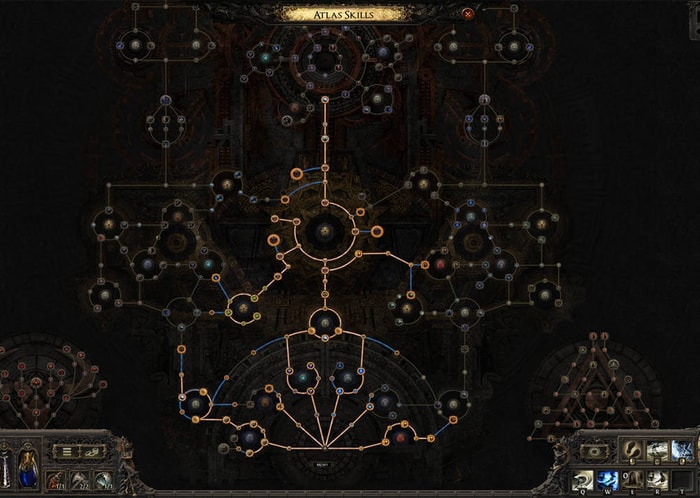
The Path of Exile 2 Passive Tree is one of the most intimidating systems new players encounter. Thousands of nodes, branching paths, clusters, wheels, and keystones — it’s easy to feel overwhelmed. But once you understand how the tree is structured and why it works the way it does, it becomes one of the most empowering tools for shaping your character.
This beginner-friendly guide breaks the Passive Tree down into clear, digestible sections. You’ll learn how Attributes shape your pathing, how Passive Points work, how to plan a build, how refunding works, and how special mechanics like Jewel Sockets and Weapon-set Skill Points fit into the bigger picture.
By the end, the Passive Tree will feel less like a maze and more like a roadmap you can confidently navigate.
1. Understanding the Structure of the Passive Tree
The PoE 2 Passive Tree is built around Attributes — Strength, Dexterity, and Intelligence. Each class begins in a region aligned with its primary Attribute, and the surrounding passives reinforce that identity.
- Strength regions focus on life, armor, melee damage, and physical scaling.
- Dexterity regions emphasize evasion, accuracy, projectile damage, and speed.
- Intelligence regions revolve around mana, energy shield, spell damage, and elemental scaling.
Your starting point determines your early pathing, but PoE 2 allows you to branch outward into hybrid zones. For example:
- A Ranger can path into Strength-heavy areas for tankiness.
- A Marauder can reach Intelligence clusters for spell-based hybrid builds.
- A Witch can dip into Dexterity zones for bow or trap builds.
The tree is designed to encourage experimentation. You’re not locked into a single fantasy — you’re given a foundation and the freedom to build outward.
2. Passive Nodes: The Building Blocks of Your Character
Passive nodes come in several types, each serving a different purpose:
Basic Nodes
Small bonuses like +10 Strength or +12% Spell Damage. These form the “roads” you travel to reach stronger nodes.
Notables
Larger, impactful bonuses such as increased critical strike chance, ailment scaling, or defensive layers. These shape your build’s identity.
Keystones
Game-changing passives that alter mechanics entirely. Examples include:
-
- Converting evasion into armor
- Turning mana into a defensive resource
- Modifying how ailments apply
Keystones define playstyle. You typically build around them rather than casually picking them up.
3. How to Plan Your Passive Tree Path
Planning your Passive Tree is a balance between offense, defense, and utility.
Step 1: Identify Your Core Damage Type
Are you scaling:
-
- Physical melee
- Elemental spells
- Chaos damage over time
- Minions
- Bows or traps
Your damage type determines which clusters you prioritize.
Step 2: Secure Your Defenses
Every build needs:
-
- Life or Energy Shield
- Resistances
- At least one defensive mechanic (Armor, Evasion, Block, Spell Suppression)
A common beginner mistake is over-investing in damage and dying constantly. PoE 2’s endgame expects layered defenses.
Step 3: Plan Efficient Routes
Avoid long, winding paths unless they lead to a major payoff. Efficient builds:
-
- Connect nearby clusters
- Use Attribute nodes to bridge gaps
- Pick up Jewel Sockets only when needed
- Avoid “tourist pathing” across the entire tree
4. Refunding Passive Points
Mistakes happen — and PoE 2 gives you tools to fix them.
Refund Points
Earned through quests, these allow you to remove individual nodes.
Full Respecs
PoE 2 does not allow full respecs on demand. You must plan carefully, but you’re not punished for small mistakes.
This is also where PoE 2 currency becomes relevant — trading crafting materials helps you reshape your build without starting over.
5. Jewel Sockets and Why They Matter
Jewel Sockets allow you to insert special jewels that modify your build in powerful ways:
- Increased damage scaling
- Conditional bonuses
- Build-enabling mechanics
- Cluster Jewels (if returning in PoE 2) that expand the tree further
Jewel Sockets are optional but extremely valuable. Many builds rely on at least one or two.
6. Weapon-set Skill Points (New in PoE 2)
One of PoE 2’s biggest innovations is Weapon-set Skill Points. Each weapon type has its own mini skill tree that enhances your combat style.
For example:
- Bows may offer projectile speed, pierce, or crit bonuses.
- Staves may grant block chance or spell power.
- Daggers may enhance crit scaling or mobility.
These points are earned through gameplay and allow you to specialize your weapon without cluttering the main Passive Tree.
7. Passive Tree Shortcuts Every Beginner Should Know
Search Function
You can search for keywords like “life,” “minion,” or “crit” to instantly highlight relevant nodes.
Attribute Pathing
Sometimes the fastest route is through Attribute nodes rather than damage clusters.
Wheel Navigation
Large wheels often have multiple entry points — choose the shortest path.
Build Templates
PoE 2’s improved UI allows you to preview builds and compare routes before committing.
Community Tools
Sites like PoE Planner or community build guides help visualize efficient pathing.
8. Putting It All Together
The Passive Tree is not meant to be solved — it’s meant to be explored. As you gain experience, you’ll learn:
- Which clusters synergize
- How to balance offense and defense
- When to chase keystones
- How to adapt your build mid-campaign
- How to use weapon-set points to refine your combat identity
PoE 2 gives you more freedom than ever to craft unique builds. With the fundamentals in this guide, you’re ready to start experimenting confidently.
Final Tips for Beginners
- Don’t chase every damage node — defense keeps you alive.
- Pick one main damage type and commit to it.
- Use refund points liberally while learning.
- Jewel Sockets are worth the detour.
- Weapon-set Skill Points are extremely powerful — don’t ignore them.
- The Passive Tree is a map, not a puzzle. Learn the landmarks and you’ll never feel lost.